
Electric cars are no longer a niche technology. They are becoming a mainstream choice for drivers who want lower fuel costs, fewer emissions, and advanced driving features. But behind every great electric vehicle (EV) lies one critical component: the battery.

Battery innovation trends shaping electric cars are transforming how far vehicles can travel, how quickly they charge, how long they last, and how affordable they become. In this article, we’ll explore the most important advancements in EV battery technology, including solid-state batteries, lithium-iron-phosphate (LFP) chemistry, fast charging solutions, and next-generation energy storage systems.
If you’re interested in electric vehicles, EV investing trends, or clean energy technology, understanding battery innovation is essential.
Why Battery Innovation Matters in Electric Cars
The battery is the most expensive and technically complex part of an electric vehicle. It directly affects:
-
Driving range
-
Charging time
-
Vehicle weight
-
Safety
-
Total cost of ownership
-
Long-term battery lifespan
As demand for electric vehicles increases globally, manufacturers and researchers are racing to improve electric car battery performance while reducing production costs.
Battery improvements also support broader clean energy goals by enabling grid storage, renewable integration, and reduced carbon emissions.
Solid-State Batteries – The Next Big Leap
One of the most talked-about trends in next-generation EV batteries is solid-state technology.
What Makes Solid-State Batteries Different?
Traditional lithium-ion batteries use a liquid electrolyte. Solid-state batteries replace that liquid with a solid material. This change offers several advantages:
-
Higher energy density
-
Faster charging capability
-
Improved safety (lower fire risk)
-
Longer lifespan
Higher energy density means electric cars could travel significantly farther on a single charge — potentially over 500–700 miles in future models.
Why It Matters for Drivers
For everyday drivers, this could mean:
-
Fewer charging stops
-
Smaller battery packs with lighter vehicles
-
Lower long-term maintenance costs
While solid-state batteries are still in development and not yet widely commercialized, many experts consider them the future of high-performance electric vehicles.
Lithium-Iron-Phosphate (LFP) Batteries Gaining Popularity
Another major battery innovation trend shaping electric cars is the growing use of LFP batteries.
Why Automakers Are Switching to LFP
Lithium-iron-phosphate batteries offer:
-
Lower production cost
-
Improved thermal stability
-
Longer charge cycle life
-
Reduced reliance on expensive materials
Although LFP batteries typically have slightly lower energy density than traditional lithium-ion cells, their affordability makes electric vehicles more accessible to a broader audience.
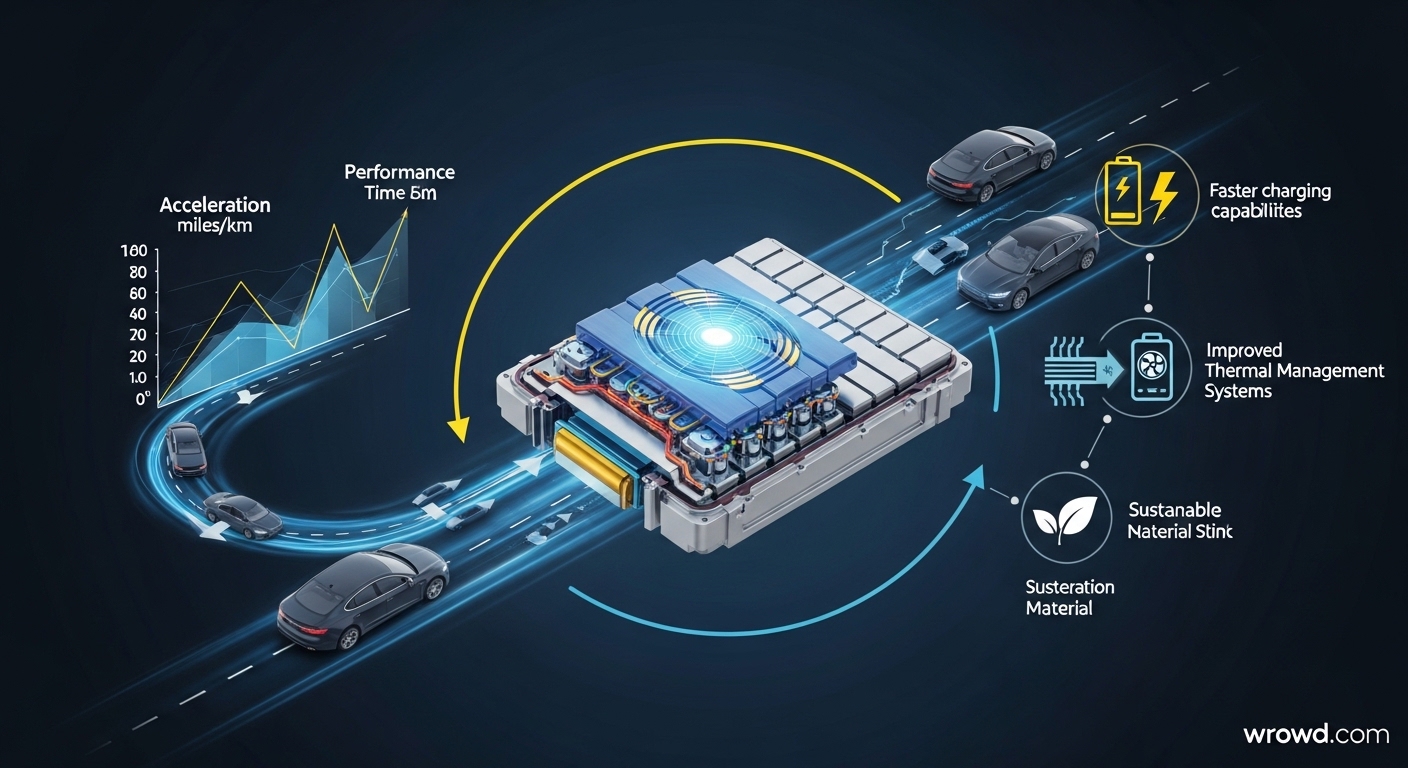
This shift supports the growing demand for affordable electric cars and helps stabilize the EV supply chain.
Ultra-Fast Charging Technology
Range anxiety used to be one of the biggest barriers to EV adoption. Today, fast charging innovation is changing that perception.
800-Volt Architecture
Modern EV platforms are adopting 800-volt battery systems instead of traditional 400-volt systems. This enables:
-
Faster charging speeds
-
Lower heat generation
-
Improved energy efficiency
Some vehicles can now recharge from 10% to 80% in under 20 minutes under ideal conditions.
Battery Management Systems (BMS)
Advanced battery management systems use smart software to:
-
Optimize charging cycles
-
Protect battery health
-
Improve energy distribution
-
Extend battery lifespan
This combination of hardware and intelligent software improves EV charging infrastructure efficiency and long-term reliability.
Improved Energy Density and Longer EV Range
One of the strongest selling points for electric cars is driving range. Battery innovation is steadily increasing range without dramatically increasing battery size.
Silicon Anode Technology
Replacing graphite anodes with silicon-based materials allows batteries to store more energy in the same space.
Benefits include:
-
Increased range
-
Smaller battery pack size
-
Lower vehicle weight
Silicon anodes are expected to significantly impact long-range electric vehicles over the next decade.
Structural Battery Packs
Some manufacturers are developing structural battery designs, where the battery pack becomes part of the vehicle’s chassis.
This approach:
-
Reduces overall weight
-
Increases rigidity
-
Improves energy efficiency
It’s a smart engineering shift that improves performance without increasing costs significantly.
Battery Recycling and Second-Life Applications
As more electric vehicles enter the market, sustainability becomes increasingly important.
Why Battery Recycling Is Essential
EV batteries contain valuable materials such as lithium, nickel, and cobalt. Recycling helps:
-
Reduce environmental impact
-
Lower raw material demand
-
Improve supply chain stability
Recycled battery materials can be reused in new batteries, reducing reliance on mining.
Second-Life Energy Storage
Even after an EV battery reaches the end of its automotive life, it can still serve in stationary energy storage systems.
Common second-life uses include:
-
Solar energy storage
-
Backup power systems
-
Grid balancing
This supports growth in the renewable energy storage market and strengthens the clean energy ecosystem.
Cost Reduction and Mass Adoption
Lower battery costs are key to widespread EV adoption.
Over the past decade, lithium-ion battery costs have dropped significantly due to:
-
Manufacturing scale improvements
-
Better supply chain management
-
New material innovations
-
Production automation
As battery production becomes more efficient, the total cost of electric cars continues to decline.
This makes EVs competitive with gasoline vehicles, especially when considering:
-
Lower maintenance costs
-
Reduced fuel expenses
-
Government incentives in some regions
Safety Improvements in Modern EV Batteries
Safety remains a top priority in battery development.
Recent innovations include:
-
Advanced thermal management systems
-
Fire-resistant materials
-
Improved battery casing design
-
Real-time monitoring software
These improvements reduce overheating risks and enhance overall consumer confidence in electric vehicles.
What These Battery Trends Mean for the Future
Battery innovation trends shaping electric cars are not just technical upgrades — they represent a major shift in transportation economics and environmental sustainability.
In the next 5–10 years, we can expect:
-
Longer driving ranges becoming standard
-
Charging times comparable to refueling
-
More affordable entry-level EVs
-
Increased integration with renewable energy systems
-
Continued growth in EV infrastructure
As these technologies mature, electric vehicles will likely become the dominant form of personal transportation worldwide.
Conclusion
Battery innovation is the driving force behind the rapid evolution of electric cars. From solid-state breakthroughs to silicon anodes and ultra-fast charging systems, these advancements are solving the biggest challenges facing EV adoption.
For consumers, this means better range, faster charging, improved safety, and lower ownership costs. For investors and policymakers, it signals a long-term transformation in clean transportation and energy storage.
As technology continues to improve, electric vehicles will not only match traditional cars — they may surpass them in performance, efficiency, and sustainability.
If you’re considering an electric vehicle, now is the perfect time to stay informed about battery innovation trends shaping electric cars.
What battery technology excites you the most? Share your thoughts in the comments below.
FAQ: Battery Innovation in Electric Cars
1. What is the most promising EV battery technology?
Solid-state batteries are widely considered the most promising due to their higher energy density, improved safety, and faster charging potential.
2. How long do electric car batteries last?
Most modern EV batteries are designed to last 8–15 years, depending on usage, climate, and charging habits.
3. Are EV batteries environmentally friendly?
While battery production has environmental impacts, recycling programs and second-life applications significantly improve sustainability.
4. Will electric car batteries become cheaper?
Yes. Ongoing manufacturing improvements and new materials are steadily reducing battery costs.
5. Can EV batteries be recycled?
Yes. Many materials inside EV batteries can be recovered and reused in new battery production, reducing resource demand.
Leave a Reply