
Tesla Cybercab: The Future of Autonomous EVs?
Are We Ready for Driverless Electric Taxis?
Imagine calling a car that arrives with no driver, no steering wheel, and no emissions — just quiet, electric efficiency. This idea once belonged to science fiction, but today it feels closer than ever. One of the most talked-about concepts pushing this vision forward is the Tesla Cybercab, a fully autonomous electric vehicle designed specifically for ride-hailing and future urban mobility.
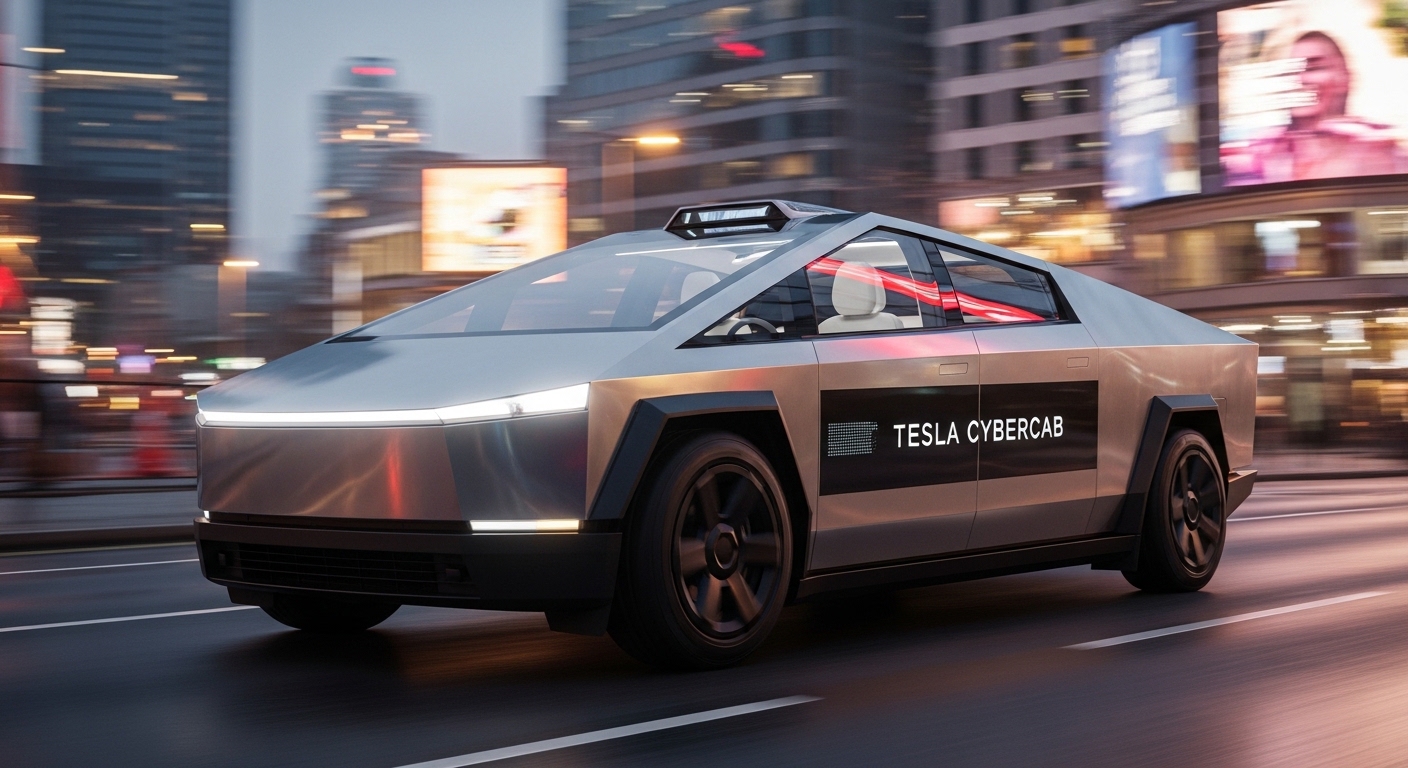
In this article, we’ll explore what the Tesla Cybercab is, how it works, why it matters, and whether it truly represents the future of autonomous EVs. If you’re interested in self-driving cars, electric transportation, or smart city solutions, you’re in the right place.
What Is the Tesla Cybercab?
The Tesla Cybercab is expected to be a purpose-built autonomous electric vehicle designed mainly for robotaxi and ride-sharing services. Unlike traditional electric cars, this vehicle is not meant for personal ownership in the usual sense. Instead, it focuses on fully self-driving operation, low running costs, and high efficiency.
Key Concept Behind the Cybercab
The idea is simple but powerful:
-
No human driver
-
Fully electric drivetrain
-
Optimized for urban and suburban transport
-
Designed to operate almost continuously
By removing the driver, the Cybercab aims to reduce transportation costs dramatically while improving safety and accessibility.
How Autonomous Driving Powers the Cybercab
Full Self-Driving Technology
At the heart of the Cybercab concept is advanced autonomous driving software. This includes:
-
Computer vision using multiple cameras
-
Artificial intelligence for real-time decision-making
-
Neural networks trained on billions of driving miles
The goal is Level 4 to Level 5 autonomy, meaning the vehicle can operate without human input in most or all conditions.
Why This Matters for EV Adoption
Autonomous EVs like the Cybercab could:
-
Reduce traffic accidents caused by human error
-
Lower transportation costs for daily commuters
-
Increase electric vehicle usage without requiring ownership
This combination makes autonomous electric taxis especially attractive for large cities.
Design Philosophy: Why the Cybercab Looks Different
Unlike conventional electric cars, the Cybercab is expected to have a minimalist and futuristic design.
Expected Design Features
-
No steering wheel or pedals
-
Spacious interior for passengers
-
Durable materials for high daily usage
-
Aerodynamic shape to improve battery efficiency
This design is not about luxury — it’s about function, efficiency, and scale.
Battery Efficiency and Operating Costs
Lower Cost Per Mile
One of the biggest advantages of an autonomous EV taxi is cost efficiency. Without a driver salary and with electric charging instead of fuel, the cost per mile could drop significantly.
Potential benefits include:
-
Lower ride-hailing prices for users
-
Higher profit margins for fleet operators
-
Reduced maintenance compared to gas vehicles
Long-Life EV Battery Technology
The Cybercab is expected to use advanced battery packs designed for:
-
High charge cycles
-
Fast charging
-
Long service life
This makes it suitable for near-continuous operation, which is critical for autonomous taxi fleets.
Tesla Cybercab and the Robotaxi Market
Why Robotaxis Are a Big Deal
The global robotaxi market is growing fast due to:
-
Urban congestion
-
Rising fuel costs
-
Demand for sustainable transportation
Autonomous electric taxis could replace millions of traditional car trips every day.
Competitive Advantage
The Cybercab could stand out because of:
-
Integrated hardware and software
-
Large real-world driving data
-
Strong EV infrastructure
If successful, it may help accelerate the transition from private car ownership to mobility-as-a-service.
Safety and Regulation Challenges
Is the Technology Ready?
While autonomous driving has made huge progress, challenges remain:
-
Complex urban traffic scenarios
-
Weather conditions
-
Pedestrian unpredictability
Safety validation is one of the biggest hurdles before mass adoption.
Legal and Regulatory Barriers
Governments around the world are still developing rules for:
-
Driverless vehicles
-
Liability in accidents
-
Data privacy and cybersecurity
Widespread deployment of Cybercab-style vehicles depends heavily on regulatory approval.
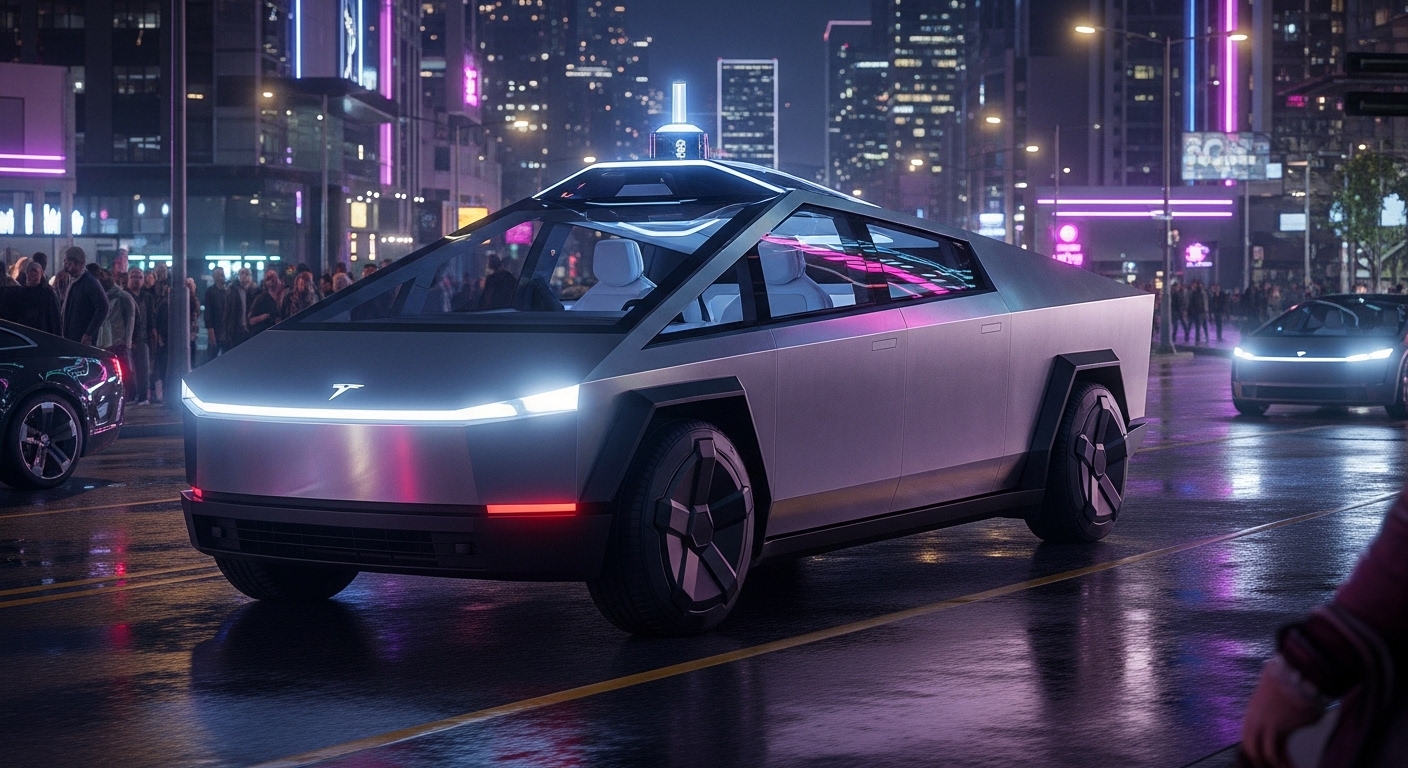
Environmental Impact of Autonomous EVs
Cleaner Cities
Electric autonomous taxis could help reduce:
-
Air pollution
-
Noise levels
-
Carbon emissions
This is especially important in dense urban areas struggling with air quality.
Fewer Cars, Better Utilization
Because robotaxis can operate nearly 24/7:
-
Fewer vehicles may be needed overall
-
Parking demand could drop
-
City space could be used more efficiently
Potential Risks and Concerns
No technology is perfect, and the Cybercab concept comes with valid concerns.
Common Concerns Include:
-
Job displacement for drivers
-
Cybersecurity risks
-
Over-reliance on AI systems
-
Public trust in autonomous vehicles
Addressing these issues transparently will be essential for public acceptance.
Is the Tesla Cybercab Really the Future?
The Cybercab represents more than just a new electric vehicle. It points toward a fundamental shift in how people move.
If autonomous technology continues to improve and regulations evolve, vehicles like the Cybercab could:
-
Make transportation cheaper and cleaner
-
Reduce traffic accidents
-
Change how cities are designed
While challenges remain, the long-term potential is hard to ignore.
Conclusion: What This Means for You
The Tesla Cybercab highlights where autonomous EV technology is heading — toward shared, intelligent, and sustainable transportation. Whether you’re an EV enthusiast, an investor, or just someone curious about the future of mobility, this concept is worth watching closely.
As cities grow and transportation needs evolve, autonomous electric taxis could become a normal part of daily life. What do you think — would you ride in a driverless electric cab? Share your thoughts and join the conversation.
FAQ: Tesla Cybercab and Autonomous EVs
1. What is the main purpose of the Tesla Cybercab?
The Cybercab is designed primarily for autonomous ride-hailing and robotaxi services, not traditional personal car ownership.
2. Will the Cybercab be fully self-driving?
The goal is full autonomous operation without human intervention, depending on software readiness and regulations.
3. How does the Cybercab benefit the environment?
It runs on electricity, produces zero tailpipe emissions, and could reduce the total number of vehicles on the road.
4. When could autonomous Cybercabs become common?
Adoption depends on technology maturity and government approval, which may vary by region.
5. Is autonomous transportation safe?
Autonomous systems aim to reduce accidents caused by human error, but extensive testing and regulation are required.