
Introduction
If you’re thinking about buying an electric vehicle, one question probably comes to mind first: How far can it go on a single charge?
That’s what electric car range is all about.
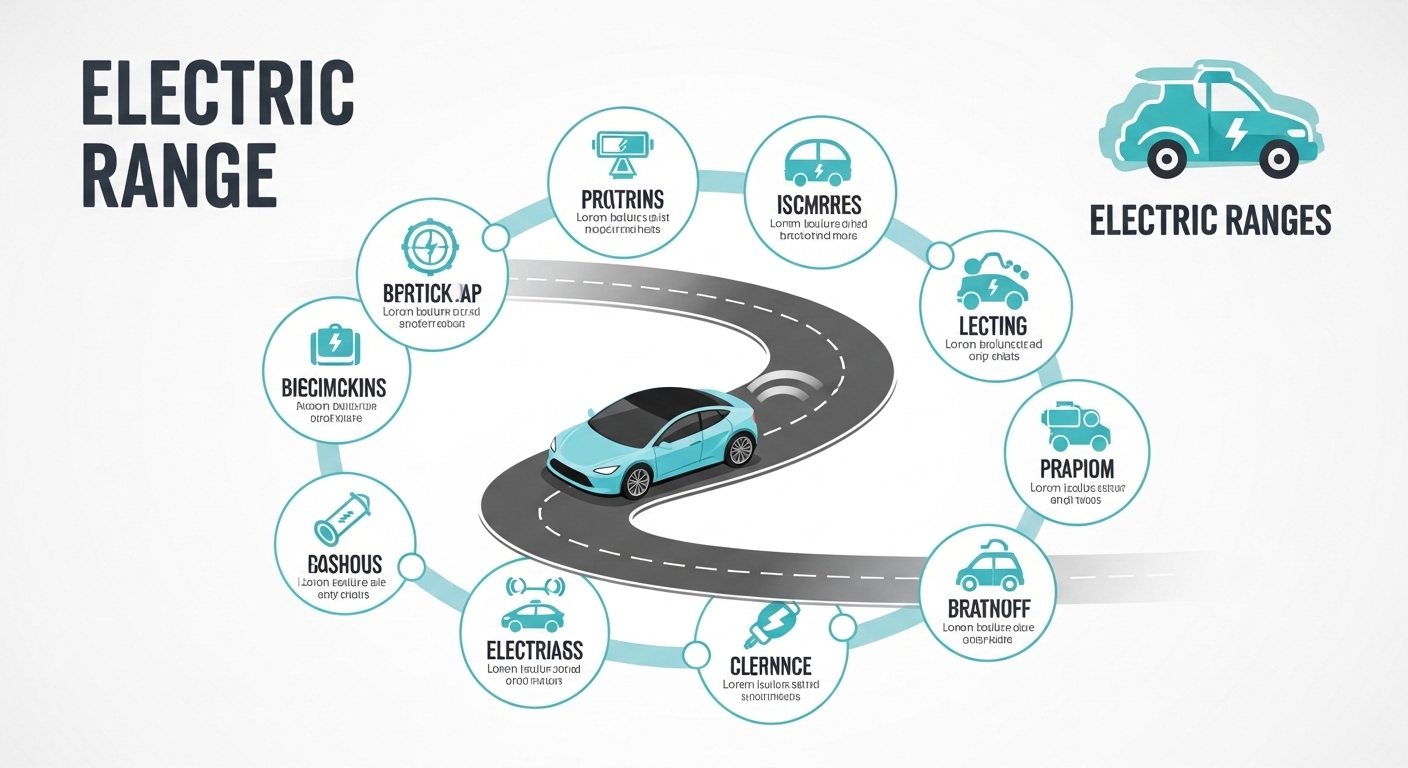
In this guide, we’ll break down electric car range explained in simple terms — no technical jargon, no confusing engineering talk. Just clear, practical information to help you understand how EV range works, what affects it, and how to get the most out of your battery.
Whether you’re researching long-range electric vehicles, comparing EV battery capacity, or simply curious about electric vehicle charging costs, this article will help you make smarter decisions.
What Is Electric Car Range?
Electric car range refers to the distance an electric vehicle (EV) can travel on a full battery charge.
Think of it like this:
-
A gasoline car has a fuel tank.
-
An electric car has a battery pack.
-
Range is how far you can drive before you need to “refuel” — or recharge.
Most modern electric vehicles offer a range between 150 and 350 miles per charge, depending on the battery size and driving conditions.
Simple Example
If an EV has a 250-mile range, that means:
-
You can drive approximately 250 miles
-
Before needing to plug it into a charging station
It’s that simple.
How Is Electric Car Range Measured?
Manufacturers test electric vehicles under controlled conditions to estimate driving range. These tests simulate city and highway driving to calculate an official number.
However, real-world driving can be different.
Why Real-World Range May Vary
Your actual driving distance can change depending on:
-
Weather conditions
-
Driving speed
-
Road terrain
-
Use of air conditioning or heating
-
Passenger and cargo weight
So, while a car may be rated for 300 miles, your everyday experience might be slightly higher or lower.
What Affects Electric Vehicle Range?
Understanding what affects EV range helps you plan better and reduce range anxiety.
1. Battery Capacity
Battery capacity is measured in kilowatt-hours (kWh).
-
Larger battery = longer driving distance
-
Smaller battery = shorter range
For example:
-
40 kWh battery → shorter range
-
75 kWh battery → longer range
This is one reason why long-range electric vehicles often cost more — bigger batteries increase the overall vehicle price.
2. Driving Speed
Driving fast consumes more energy.
At higher speeds:
-
Wind resistance increases
-
Battery drains faster
Highway driving at 75 mph typically uses more energy than city driving at 35 mph.
3. Weather Conditions
Cold weather is one of the biggest factors affecting electric car range.
In winter:
-
Batteries become less efficient
-
Cabin heating uses extra energy
In very hot weather:
-
Air conditioning increases battery use
That’s why you may notice reduced range in extreme temperatures.
4. Driving Style
Aggressive acceleration drains battery power quickly.
Smooth driving habits can improve range significantly:
-
Gentle acceleration
-
Gradual braking
-
Using regenerative braking
5. Vehicle Weight
More weight requires more energy.
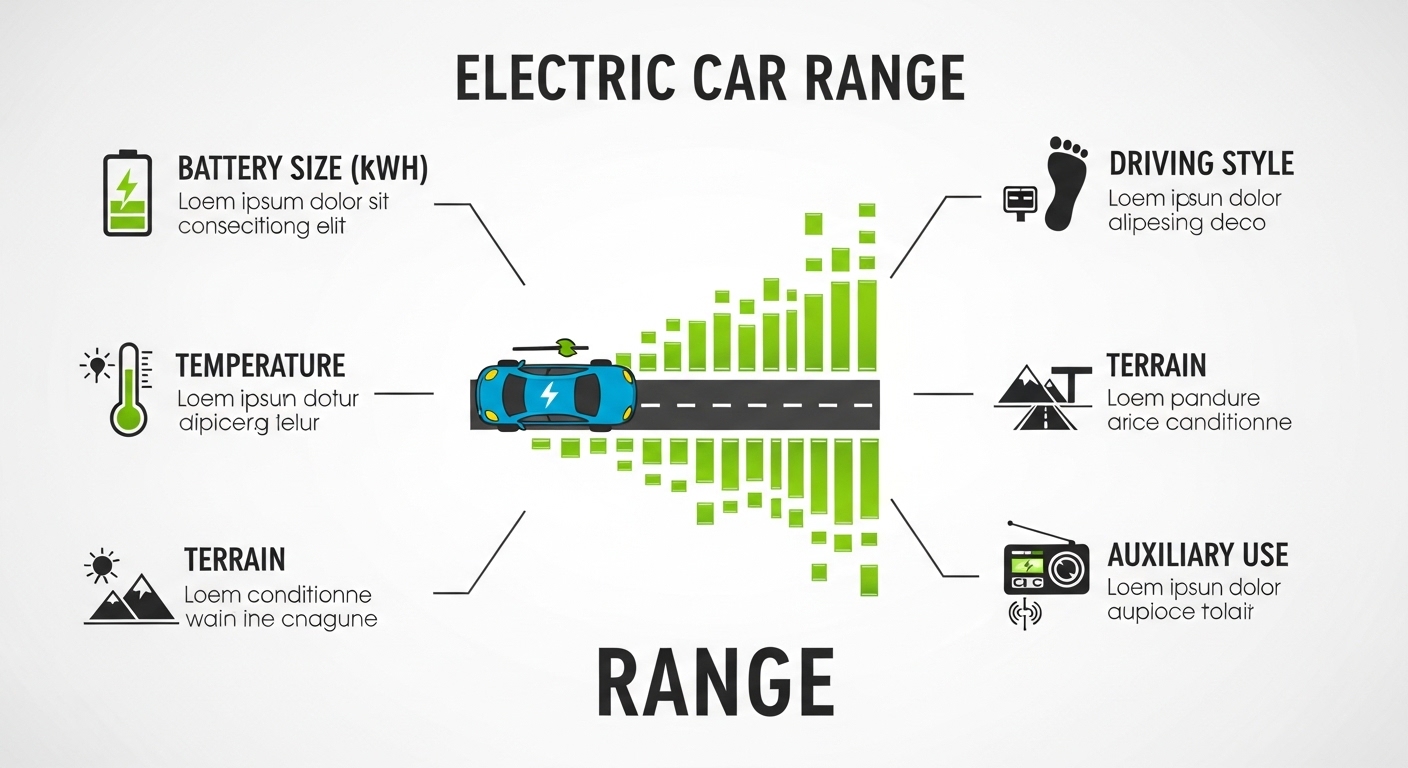
Carrying heavy cargo or extra passengers can slightly reduce your total driving range.
What Is Range Anxiety?
Range anxiety is the fear that your electric vehicle will run out of charge before reaching a charging station.
It’s common among new EV drivers, but it’s becoming less of an issue because:
-
Public charging infrastructure is expanding
-
Home EV charging installation is more accessible
-
Modern EVs offer longer driving ranges
With proper planning, range anxiety usually disappears after a few weeks of driving.
How Far Do Most People Actually Drive?
Here’s something reassuring:
The average daily commute in many countries is under 40 miles per day.
Even a modest electric vehicle with a 200-mile range can cover:
-
Several days of driving
-
Without needing a recharge
For most drivers, range is more than enough for daily use.
How to Maximize Your Electric Car Range
If you want to increase your driving distance on a single charge, follow these practical tips:
1. Drive Smoothly
-
Avoid rapid acceleration
-
Maintain steady speeds
-
Use cruise control on highways
2. Precondition the Car While Plugged In
If your vehicle allows it, heat or cool the cabin while the car is still charging.
This reduces battery drain once you start driving.
3. Use Eco Mode
Many EVs include an Eco mode that:
-
Limits power output
-
Optimizes battery efficiency
-
Extends driving range
4. Keep Tires Properly Inflated
Low tire pressure increases rolling resistance, which reduces efficiency.
5. Reduce Extra Weight
Remove unnecessary cargo to improve energy efficiency.
Electric Car Range vs. Charging Time
Range is closely connected to charging.
There are three main charging options:
-
Home Charging (Level 1 or Level 2)
-
Public Charging Stations
-
Fast DC Charging
Home Charging Installation
Installing a Level 2 home charger allows:
-
Faster overnight charging
-
Lower long-term charging costs
-
Greater convenience
This is why many EV owners research EV home charger installation cost before buying a vehicle.
How Battery Degradation Affects Range
Over time, all batteries lose some capacity. This is called battery degradation.
The good news:
-
Modern electric vehicle batteries are designed to last many years.
-
Most retain a large percentage of their original capacity after 8–10 years.
For example:
A 300-mile EV might still offer around 270 miles after several years of normal use.
Manufacturers typically provide long battery warranties for peace of mind.
Comparing Electric Range to Gas Cars
Here’s a simple comparison:
| Feature | Gasoline Car | Electric Car |
|---|---|---|
| Refueling Time | 5 minutes | 30 min – several hours |
| Energy Cost | Fuel price varies | Lower cost per mile |
| Maintenance | More moving parts | Fewer moving parts |
| Emissions | Produces emissions | Zero tailpipe emissions |
While charging takes longer than fueling, many drivers charge at home overnight, which saves time overall.
Is More Range Always Better?
Not necessarily.
While a longer-range EV offers flexibility for road trips, it also:
-
Costs more
-
Has a larger battery
-
May not be necessary for short daily commutes
Before choosing a vehicle, ask yourself:
-
How far do I drive daily?
-
Do I take frequent long road trips?
-
Do I have access to reliable charging?
For many households, a mid-range electric vehicle is more than enough.
The Future of Electric Car Range
Battery technology continues to improve.
We are seeing:
-
Higher energy density batteries
-
Faster charging speeds
-
More efficient power management systems
As innovation continues, electric car range will likely increase while costs gradually decrease.
This makes EV ownership more practical than ever before.
Conclusion
Understanding electric car range doesn’t have to be complicated.
In simple terms, it’s just the distance your electric vehicle can travel on a full charge. While factors like weather, speed, and driving style can affect it, modern EVs provide more than enough range for everyday driving.
By driving efficiently, charging smartly, and choosing a vehicle that matches your needs, you can eliminate range anxiety and enjoy lower running costs.
If you’re considering switching to electric, start by calculating your daily driving distance and compare it to available EV ranges. You may find that electric mobility fits your lifestyle perfectly.
Have questions about electric car range? Share them in the comments — let’s discuss.
Frequently Asked Questions (FAQ)
1. How many miles can an electric car go on one charge?
Most modern electric cars can travel between 150 and 350 miles on a full charge, depending on battery size and driving conditions.
2. Does cold weather reduce electric vehicle range?
Yes. Cold temperatures can reduce battery efficiency and increase energy use for heating, lowering overall range.
3. How long do electric car batteries last?
Most EV batteries are designed to last 8–15 years and often retain a high percentage of their original capacity.
4. Is charging an electric car cheaper than gasoline?
In most regions, electricity costs per mile are lower than gasoline, making EVs more economical over time.
5. Can I install a home charger for my electric vehicle?
Yes. Many homeowners install Level 2 chargers at home for faster and more convenient charging. Installation costs vary depending on location and electrical setup.