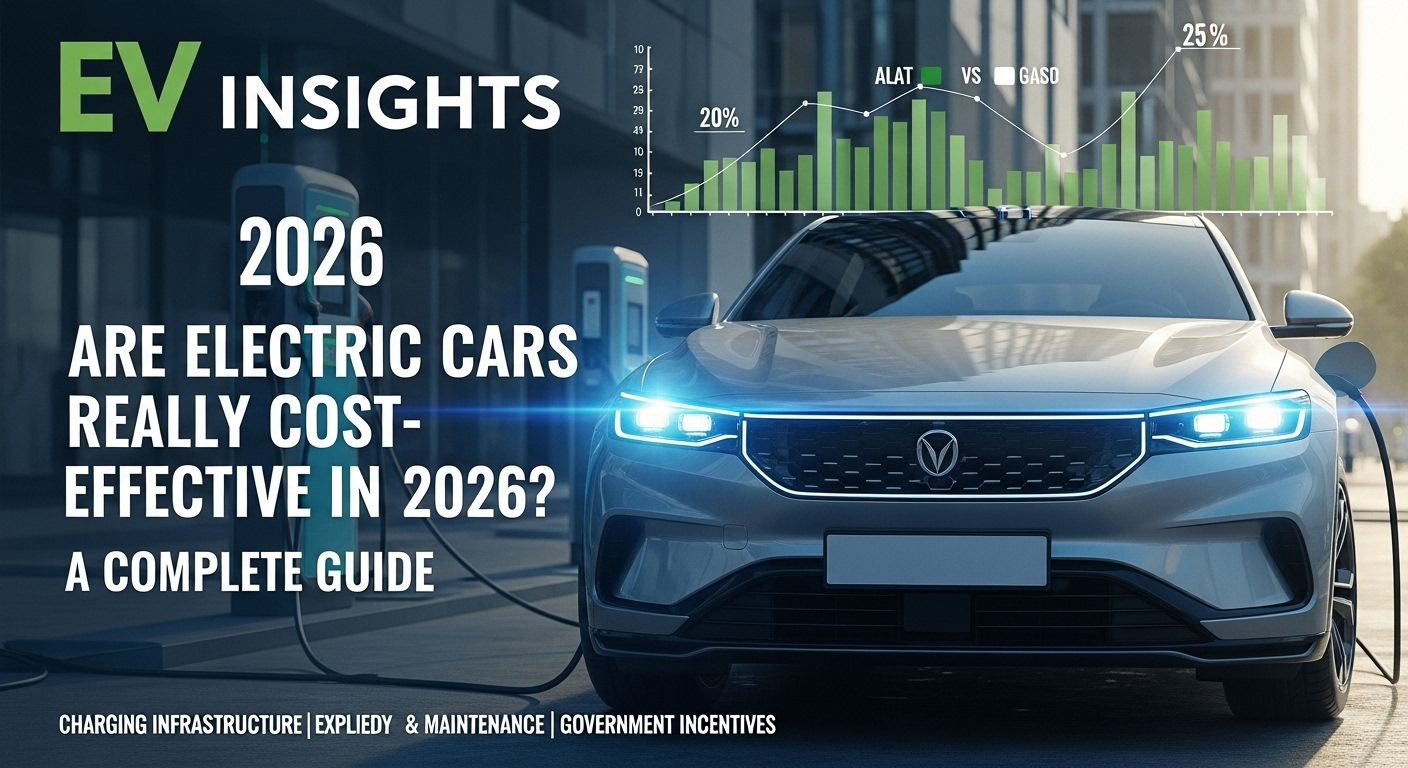
Are Electric Cars Really Cost-Effective in 2026? A Complete Guide
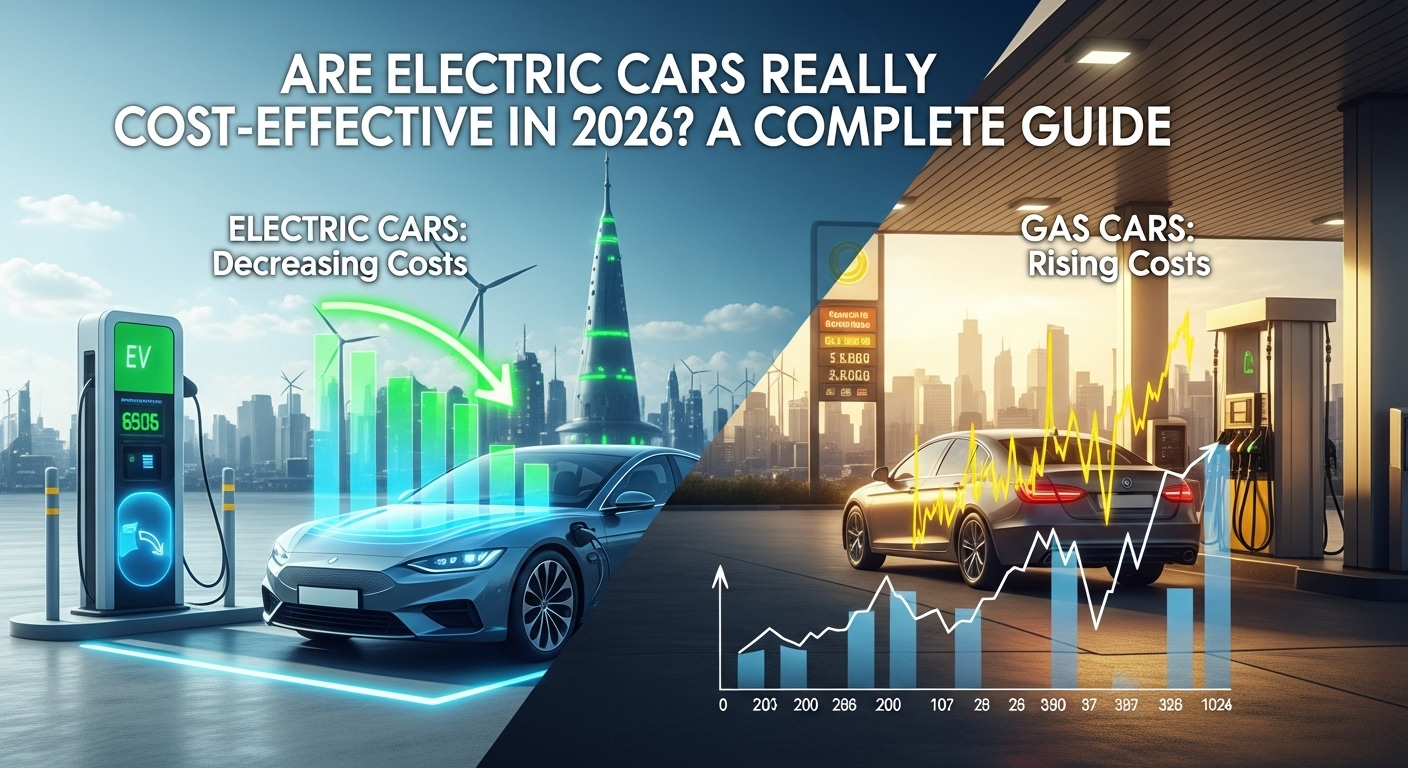
Charging an electric car at home is significantly cheaper than refueling petrol cars in 2026.
Are Electric Cars Really Cost-Effective in 2026? A Complete Guide
Electric cars have become increasingly popular in 2026, promising cleaner air, lower fuel costs, and cutting-edge technology. But are they really cost-effective compared to traditional gasoline vehicles? In this article, we’ll break down the true costs, benefits, and potential drawbacks of owning an electric car in 2026, helping you make an informed decision.
Understanding the Cost of Electric Cars
Before deciding if an electric car (EV) is cost-effective, it’s essential to look at all expenses involved.
H3: Initial Purchase Price
-
EVs typically have higher upfront costs than gasoline cars.
-
Government incentives and tax credits can reduce the purchase price.
-
Popular low-cost EV options are becoming more available, narrowing the price gap.
Charging vs. Fuel Costs
-
Charging an EV at home usually costs less than gasoline.
-
Public charging stations may vary in price depending on location.
-
Electricity prices in 2026 are generally lower than fuel, especially with renewable energy sources.
Maintenance and Repairs
-
EVs have fewer moving parts, meaning lower maintenance costs.
-
No oil changes are needed, and brake wear is reduced due to regenerative braking.
-
Battery replacement can be expensive but often lasts 8–12 years.
Hidden Costs to Consider
Even though EVs are cheaper to run, some hidden costs may affect overall savings:
-
Insurance: EVs can be more expensive to insure due to higher repair costs.
-
Battery Degradation: Over time, battery efficiency decreases, slightly reducing range.
-
Charging Infrastructure: Installing a home charging station may cost $500–$2,000.
Long-Term Savings of Electric Cars
Despite some hidden costs, EVs often offer long-term financial benefits:
-
Lower Fuel Costs: Electric energy is cheaper per mile than gasoline.
-
Reduced Maintenance: Fewer repairs and parts replacements save money over time.
-
Government Incentives: Tax credits, rebates, and perks like free parking reduce total cost.
Example: Five-Year Cost Comparison
| Expense Type | Gas Car | Electric Car |
|---|---|---|
| Purchase Price | $30,000 | $35,000* |
| Fuel/Electricity | $7,500 | $3,000 |
| Maintenance | $5,000 | $2,500 |
| Total Cost Over 5 Years | $42,500 | $40,500 |
*Assuming tax credits and incentives apply.
Environmental Impact and Intangible Benefits
Beyond finances, EVs provide additional value:
-
Lower Carbon Emissions: Reduce your environmental footprint.
-
Quiet Driving Experience: Less engine noise contributes to comfort.
-
Energy Independence: Less reliance on fossil fuels.
These benefits can indirectly save money and improve quality of life.
Conclusion
Electric cars in 2026 can be cost-effective, but it depends on your driving habits, local electricity costs, and available incentives. While upfront prices are higher, long-term savings on fuel and maintenance often outweigh the initial investment. Consider all costs and benefits, and make the choice that aligns with your budget and environmental goals.
Switching to an electric car could save money over time while supporting a cleaner future. Share your experiences or questions in the comments below!
FAQ
Q1: Are electric cars cheaper than gas cars in 2026?
A: Over time, yes. EVs have lower fuel and maintenance costs, though the upfront price is higher.
Q2: How long do electric car batteries last?
A: Typically 8–12 years, depending on usage and care.
Q3: Is it expensive to charge an electric car at home?
A: Charging at home is usually cheaper than fueling with gasoline. Costs depend on electricity rates.
Q4: Do electric cars require a lot of maintenance?
A: No, they have fewer moving parts, so maintenance costs are generally lower.
Q5: Are there incentives for buying an electric car in 2026?
A: Many countries offer tax credits, rebates, and other perks for EV buyers.