
Running a small business today means keeping costs under control while staying competitive. Fuel prices, maintenance expenses, and environmental regulations can quickly add up—especially if your business depends on work trucks. That’s why more owners are exploring electric work trucks for small businesses as a practical and future-ready solution.
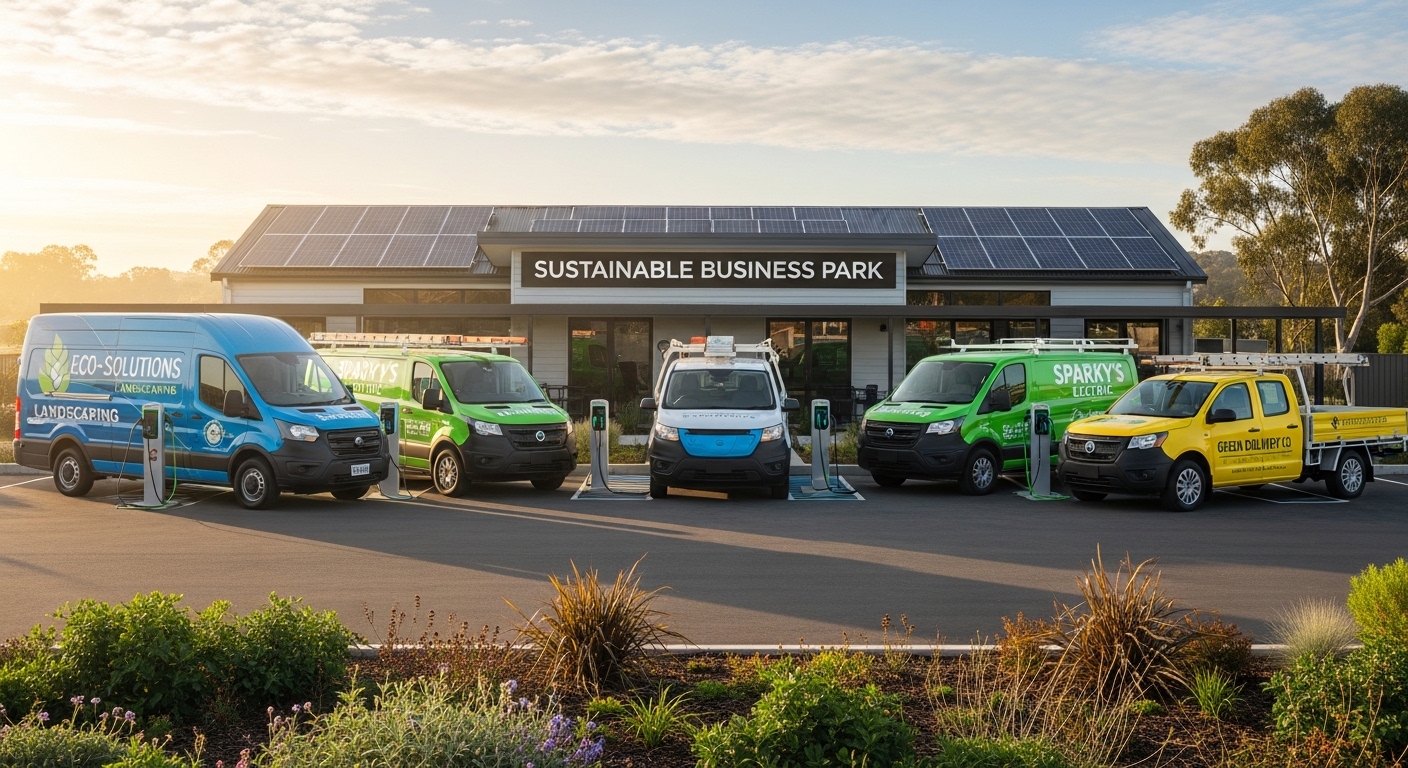
In this guide, you’ll learn how electric commercial trucks work, why they’re becoming popular, how much they really cost, and what to look for before making the switch. Whether you operate a landscaping company, delivery service, plumbing business, or construction crew, this article will help you make an informed decision.
Why Small Businesses Are Switching to Electric Work Trucks
Electric vehicles are no longer limited to passenger cars. Today’s electric work trucks are designed for real-world jobs, offering strong torque, solid payload capacity, and lower operating costs.
Here are the main reasons small businesses are making the change:
1. Lower Operating Costs
One of the biggest advantages of an electric fleet vehicle is reduced fuel expense. Electricity is often cheaper and more stable in price compared to gasoline or diesel.
You also save on:
-
Oil changes
-
Transmission repairs
-
Exhaust system maintenance
-
Engine-related servicing
Electric motors have fewer moving parts, which means fewer breakdowns and lower long-term maintenance costs.
2. Tax Credits and Incentives
Many regions offer electric vehicle tax credits for businesses. These incentives can significantly reduce the upfront purchase price.
Depending on your location, you may qualify for:
-
Federal EV tax credits
-
Local clean energy grants
-
Utility rebates for EV charging stations
-
Commercial EV fleet incentives
These programs can make electric commercial trucks more affordable than expected.
3. Positive Brand Image
Customers are increasingly environmentally conscious. Driving electric work trucks shows your commitment to sustainability. For service-based businesses, your vehicle is a moving advertisement. An eco-friendly truck can strengthen your brand reputation.
4. Protection Against Fuel Price Volatility
Gas and diesel prices fluctuate frequently. With an electric truck, your energy costs are more predictable, especially if you install a commercial EV charging station at your workplace.
Key Benefits of Electric Work Trucks
Let’s break down the most important benefits for small business owners.
Reduced Fuel Expenses
Charging overnight at your business location can cost significantly less than refueling with gasoline. For companies that drive daily routes, the savings can be substantial over time.
Quiet Operation
Electric trucks operate quietly. This is especially helpful for:
-
Early morning deliveries
-
Residential service calls
-
Urban construction projects
Less noise can improve customer satisfaction and reduce complaints.
Instant Torque and Performance
Electric motors deliver instant torque, making them excellent for:
-
Towing
-
Carrying heavy loads
-
Stop-and-go city driving
Despite common misconceptions, electric trucks can handle demanding workloads.
Lower Maintenance Downtime
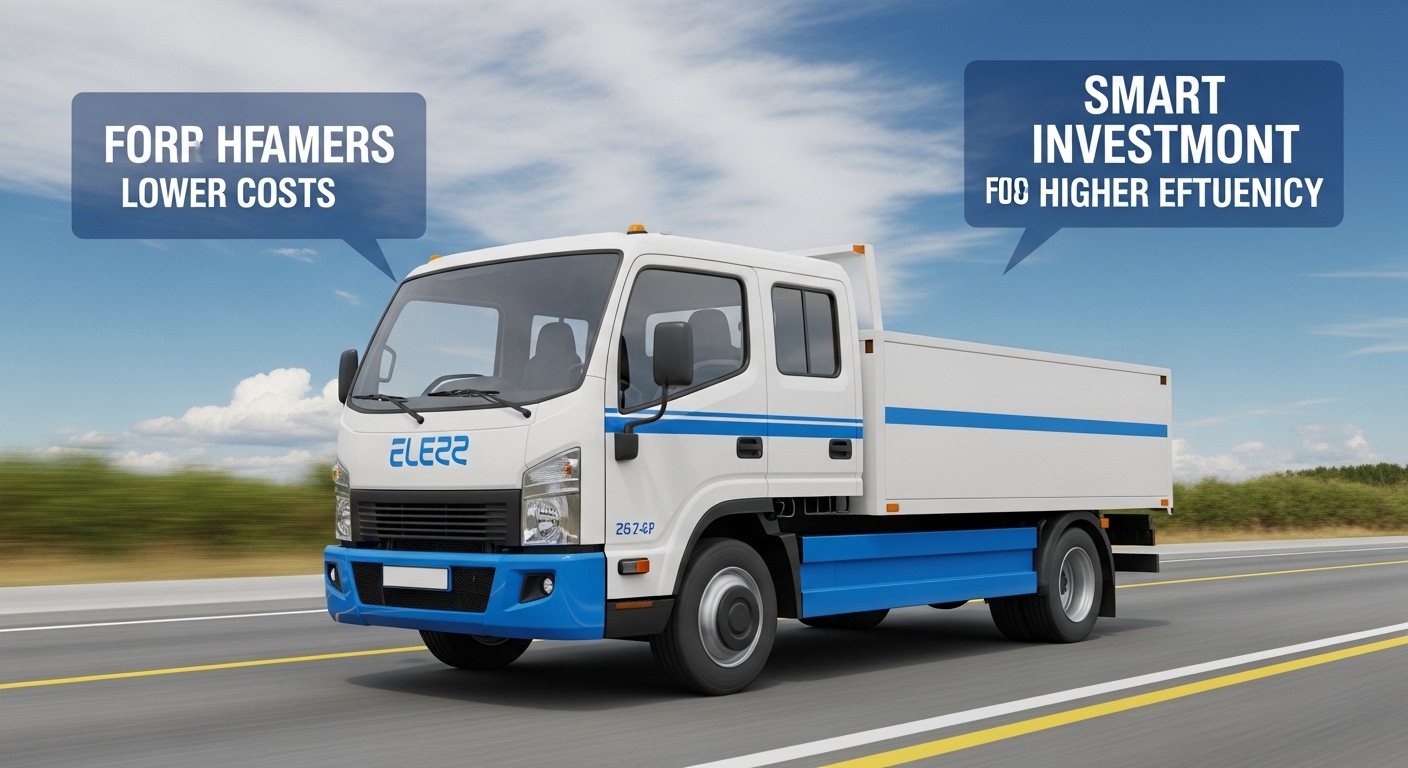
Fewer mechanical components mean less time spent in repair shops. For small businesses, vehicle downtime equals lost revenue. A reliable electric truck can improve operational efficiency.
Are Electric Work Trucks Powerful Enough?
A common question is whether electric trucks can handle real job-site tasks.
Modern electric commercial vehicles are designed for:
-
Payload capacity similar to gas trucks
-
Competitive towing capabilities
-
Durable battery systems
-
Long driving ranges suitable for daily operations
For many small businesses that operate within a fixed service area, range is rarely a problem. Most daily routes fall well within modern battery capabilities.
Understanding Total Cost of Ownership (TCO)
The sticker price of an electric truck may be higher than a traditional truck. However, focusing only on the upfront cost can be misleading.
Instead, consider the total cost of ownership (TCO), which includes:
-
Purchase price
-
Fuel or electricity cost
-
Maintenance expenses
-
Insurance
-
Resale value
In many cases, electric trucks become more cost-effective over several years due to lower fuel and maintenance expenses.
Charging Options for Small Businesses
Before switching, you should understand your charging setup.
Level 1 Charging
-
Uses standard household outlet
-
Slow charging
-
Suitable for very light daily use
Level 2 Charging
-
Faster charging
-
Ideal for overnight business charging
-
Requires professional installation
For most small businesses, installing a Level 2 commercial EV charger is the best option. It allows trucks to charge fully overnight and be ready for the next workday.
Public Charging Stations
If your business operates across larger areas, access to public fast chargers can extend your driving range when needed.
Industries That Benefit Most from Electric Work Trucks
Electric work trucks are especially suitable for:
1. Local Delivery Services
Short routes and predictable schedules make EVs a perfect match.
2. Landscaping Companies
Frequent stops and local jobs help maximize electric efficiency.
3. Plumbing and Electrical Services
Daily service calls within a city fit well within EV range limits.
4. HVAC and Maintenance Businesses
Lower fuel costs improve profit margins over time.
5. Cleaning and Property Management Services
Quiet operation is ideal for residential neighborhoods.
Things to Consider Before Buying
Switching to electric is a big decision. Here are important factors to evaluate:
Daily Driving Distance
Calculate your average daily mileage. Make sure the truck’s range comfortably exceeds that number.
Payload and Towing Needs
Understand your load requirements. Choose a truck designed for your specific job demands.
Charging Infrastructure
Can you install charging stations at your workplace? If not, check access to nearby public chargers.
Budget and Financing
Look into:
-
Commercial vehicle financing options
-
Business EV leasing programs
-
Clean energy grants
Some lenders offer special green business loans for eco-friendly fleet upgrades.
Common Myths About Electric Work Trucks
Let’s clear up a few misconceptions.
Myth 1: Electric Trucks Are Too Expensive
While the upfront cost may be higher, incentives and long-term savings often balance the difference.
Myth 2: Batteries Don’t Last Long
Modern battery systems are built to last many years and often come with extended warranties.
Myth 3: Charging Takes Too Long
With proper planning and overnight charging, downtime is minimal for most small businesses.
Myth 4: They Can’t Handle Heavy Work
Electric trucks are designed with commercial tasks in mind, offering strong torque and durable construction.
Environmental and Regulatory Advantages
Governments around the world are encouraging businesses to reduce emissions. Switching to electric trucks can help you:
-
Meet future environmental regulations
-
Access low-emission business zones
-
Qualify for sustainability certifications
This proactive approach can give your company a competitive edge.
Future Trends in Electric Commercial Vehicles
The electric truck market is evolving rapidly. In the coming years, we can expect:
-
Improved battery range
-
Faster charging speeds
-
Lower vehicle prices
-
More models designed specifically for commercial use
Adopting electric work trucks early can position your business ahead of competitors.
Conclusion: Is an Electric Work Truck Right for Your Business?
Electric work trucks for small businesses are no longer just an experimental option—they’re becoming a smart financial decision. Lower operating costs, tax incentives, reduced maintenance, and positive brand impact make them a compelling choice.
Before making a decision:
-
Evaluate your daily mileage
-
Review available incentives
-
Compare total cost of ownership
-
Plan your charging setup
If your business operates locally and wants to reduce fuel expenses while building a modern image, an electric work truck could be the upgrade that improves both efficiency and profitability.
Have you considered adding an electric truck to your fleet? Share your thoughts or questions in the comments below.
FAQ: Electric Work Trucks for Small Businesses
1. Are electric work trucks cheaper to maintain than gas trucks?
Yes. Electric trucks have fewer moving parts, which reduces maintenance costs such as oil changes and engine repairs.
2. How far can an electric work truck travel on a single charge?
Range varies by model, but most modern electric trucks can handle typical daily routes for local businesses.
3. Can small businesses get tax credits for electric trucks?
Many regions offer business EV tax credits and incentives that lower the purchase cost. Check local regulations for eligibility.
4. Is it expensive to install a commercial EV charging station?
Costs vary, but many utility companies offer rebates that help reduce installation expenses.
5. Are electric trucks suitable for towing and heavy loads?
Yes. Electric motors provide strong torque, making them capable of handling towing and commercial workloads effectively.