How China Is Shifting Diesel Trucks to Electric Models: A Clean Transport Revolution
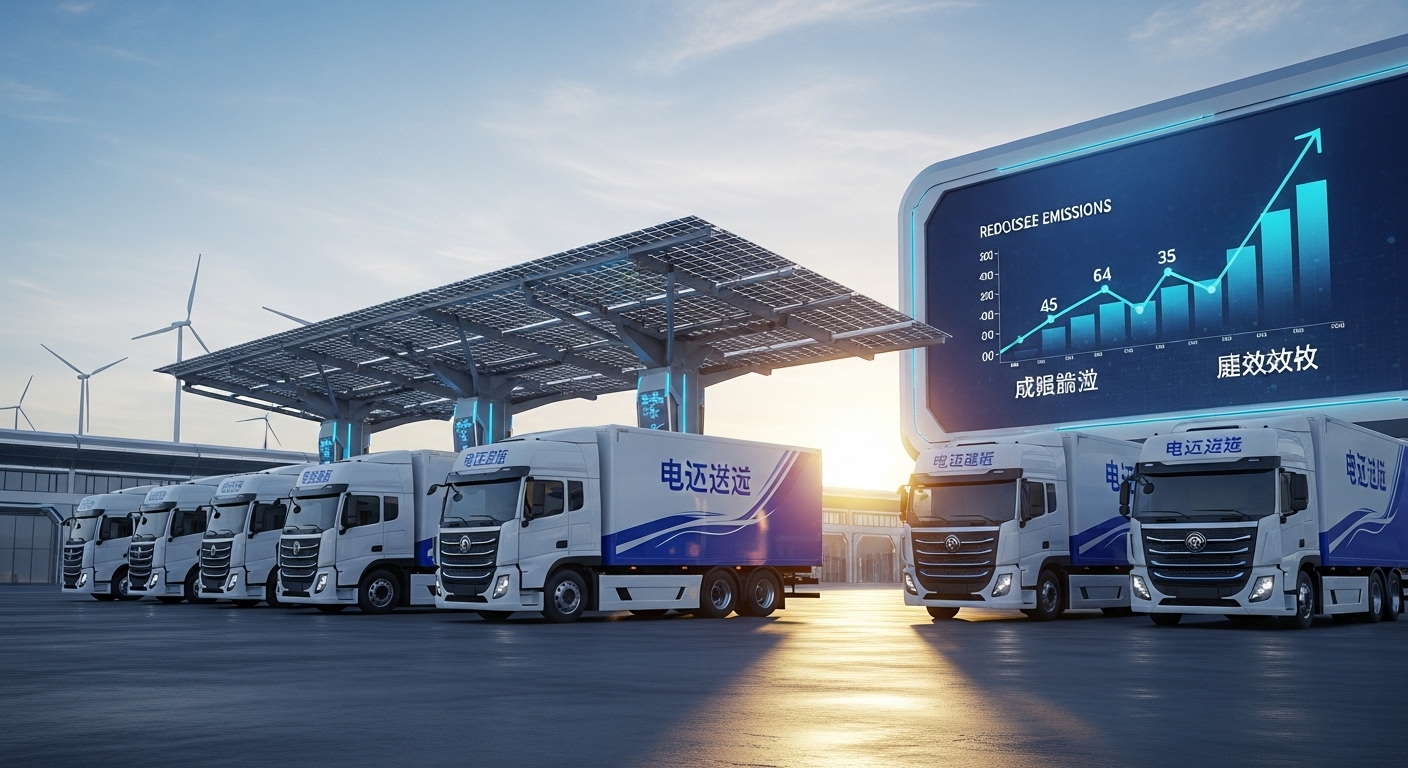
China accelerates the shift from diesel-powered trucks to electric models to cut emissions, lower fuel costs, and modernize freight transportation.
How China Is Shifting Diesel Trucks to Electric Models: A Clean Transport Revolution
Heavy-duty trucks have long been one of the biggest sources of air pollution and fuel consumption worldwide. In recent years, China has taken bold steps to change this reality. By accelerating the transition from diesel-powered trucks to electric models, the country is reshaping its logistics and transportation sector.
This article explains how China is shifting diesel trucks to electric models, why it matters for the environment and the economy, and what lessons other countries can learn from this transformation. Whether you are interested in clean energy, electric vehicles, or sustainable logistics, this guide will give you a clear and practical overview.
Why Diesel Trucks Are a Major Problem
Diesel trucks play a critical role in moving goods, but they also create serious challenges.
Environmental Impact of Diesel Trucks
Diesel-powered trucks are responsible for:
-
High carbon emissions that contribute to climate change
-
Harmful air pollutants that affect public health
-
Noise pollution in urban and industrial areas
In many cities, diesel trucks are a major source of smog, especially near ports, highways, and industrial zones.
Economic and Energy Concerns
Diesel fuel prices are often volatile. This creates:
-
Higher operating costs for logistics companies
-
Dependence on fuel imports
-
Unstable long-term planning for transport businesses
These issues pushed policymakers to look for cleaner and more predictable alternatives.
Why China Is Leading the Shift to Electric Trucks
China’s move toward electric trucks is not accidental. It is driven by clear goals and strong planning.
National Clean Energy Strategy
China has made clean transportation a key part of its long-term development plans. Electric trucks support goals such as:
-
Reducing urban air pollution
-
Lowering carbon emissions
-
Expanding the use of renewable energy
By focusing on heavy-duty vehicles, the impact becomes much larger than switching passenger cars alone.
Strong Government Support
One of the biggest reasons for success is policy support. Measures include:
-
Financial incentives for electric truck adoption
-
Preferential access to city centers for electric vehicles
-
Investment in charging infrastructure
These steps reduce the risks for businesses that want to switch from diesel to electric fleets.

How Electric Trucks Are Replacing Diesel Models
The transition is happening in practical and scalable ways.
Targeting High-Usage Routes First
Electric trucks are being introduced first in areas where they make the most sense, such as:
-
Short-distance urban deliveries
-
Port and warehouse transport
-
Fixed logistics routes
These use cases allow electric trucks to operate efficiently with predictable charging needs.
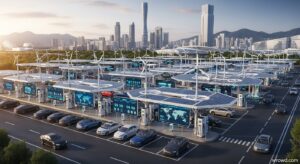
Expansion of Charging Infrastructure
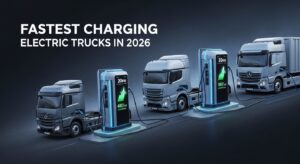
Charging access is essential for electric truck adoption. China has focused on:
-
Fast-charging stations near logistics hubs
-
Depot-based charging for fleet operators
-
Smart charging systems to reduce grid stress
This approach ensures that electric trucks remain productive without long downtime.
Cost Benefits of Electric Trucks
While the initial purchase price can be higher, electric trucks offer strong long-term savings.
Lower Operating Costs
Electric trucks typically provide:
-
Reduced fuel expenses compared to diesel
-
Lower maintenance costs due to fewer moving parts
-
Longer service life for certain components
For fleet operators, these savings add up quickly.
Total Cost of Ownership Advantage
When considering the full lifecycle, electric trucks often become more cost-effective. This is especially true in regions with:
-
High diesel prices
-
Strict emission regulations
-
Government incentives
These factors improve return on investment for businesses.
Environmental Benefits of Electric Truck Adoption
The environmental impact of this shift is significant.
Reduced Emissions
Electric trucks produce zero tailpipe emissions. This leads to:
-
Cleaner city air
-
Lower greenhouse gas output
-
Improved quality of life for residents
Over time, this also reduces healthcare costs related to pollution.
Better Use of Renewable Energy
As electricity generation becomes cleaner, electric trucks become even more sustainable. Charging fleets with renewable energy further reduces environmental impact.
Challenges in the Transition Process
Despite progress, the shift is not without obstacles.
Battery Technology Limitations
Some challenges include:
-
Battery weight affecting payload capacity
-
Limited range for long-haul transport
-
Charging time compared to refueling diesel
Ongoing improvements in battery efficiency are helping address these issues.
Grid Capacity and Energy Demand
Large-scale electric truck charging requires careful planning to avoid stressing power grids. Solutions include:
-
Off-peak charging
-
Smart energy management systems
-
Local energy storage solutions
Impact on the Logistics and Transport Industry
The shift to electric trucks is changing how logistics businesses operate.
New Business Models
Companies are adapting by:
-
Optimizing routes for electric range
-
Using data to manage charging schedules
-
Investing in fleet electrification strategies
This leads to smarter and more efficient logistics operations.
Job and Skill Transformation
Electric trucks require new skills, including:
-
Battery management
-
Electric drivetrain maintenance
-
Energy optimization
This creates demand for training and technical expertise.
Lessons Other Countries Can Learn
China’s experience offers valuable insights for global adoption.
Policy and Infrastructure Go Together
Electric trucks succeed when governments combine:
-
Clear regulations
-
Financial incentives
-
Infrastructure investment
Focusing on only one aspect slows progress.
Start Where It Makes Sense
Beginning with urban and short-haul routes builds confidence and proves viability before expanding to long-distance transport.
The Future of Electric Trucks in China
Looking ahead, the transition is expected to accelerate.
Technology Improvements
Future developments may include:
-
Higher energy-density batteries
-
Faster charging solutions
-
Better integration with renewable energy
These advances will expand electric truck use into more demanding applications.
Long-Term Environmental Impact
As diesel trucks are gradually phased out, cities will benefit from cleaner air and quieter streets, supporting sustainable urban growth.
Conclusion
China’s shift from diesel trucks to electric models is a powerful example of how clean technology can transform an entire industry. By combining strong policy support, infrastructure development, and economic incentives, the country is reducing emissions, lowering operating costs, and modernizing logistics.
For businesses, policymakers, and readers interested in sustainable transport, this transition shows that electric trucks are no longer a future concept—they are a practical solution today. If you have thoughts on electric transportation or questions about fleet electrification, feel free to share them in the comments.
Frequently Asked Questions (FAQ)
1. Why is China focusing on electric trucks instead of diesel?
Electric trucks help reduce air pollution, cut fuel costs, and support national clean energy goals.
2. Are electric trucks cheaper than diesel trucks?
While upfront costs can be higher, electric trucks often have lower total ownership costs due to reduced fuel and maintenance expenses.
3. Can electric trucks handle heavy-duty transport?
They are currently best suited for urban and short-haul routes, but technology improvements are expanding their capabilities.
4. How does charging infrastructure support electric trucks?
Charging stations near logistics hubs and depots ensure efficient operations and minimal downtime.
5. Will other countries follow this model?
Many countries are studying similar approaches, especially where air quality and fuel costs are major concerns.