The Real Reasons EV Truck Sales Are Surging Worldwide

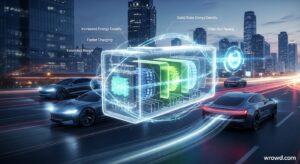
Electric trucks are rapidly gaining popularity worldwide as businesses shift toward cleaner and more cost-efficient transport.
The Real Reasons EV Truck Sales Are Surging Worldwide
Introduction: Why Everyone Is Talking About EV Trucks
Electric vehicles are no longer limited to small cars and city commuters. Over the past few years, electric trucks have quietly become one of the fastest-growing segments in the global automotive market. From delivery fleets to construction and logistics, businesses and governments alike are making the switch.
But what’s really driving this rapid growth?
This article breaks down the real reasons EV truck sales are surging worldwide, beyond the headlines. We’ll explore economic, technological, environmental, and policy factors—explained in clear, simple language—so you can understand why this trend is accelerating and why it’s likely here to stay.
Global Shift Toward Electric Transportation
The Rise of Commercial Electrification
The global transportation sector is undergoing a major transformation. While passenger electric vehicles grabbed early attention, commercial electric trucks are now leading the next phase.
Why? Because trucks:
-
Travel predictable routes
-
Consume large amounts of fuel
-
Represent major operating costs for businesses
This makes them ideal candidates for electrification.
Fleet Electrification Is No Longer Optional
Many companies are under pressure to reduce emissions and operating costs at the same time. Fleet electrification solves both problems, making EV trucks an attractive long-term investment rather than a risky experiment.
Lower Operating Costs Are a Major Driver
Electric Truck Cost Savings Explained
One of the biggest reasons behind rising EV truck sales is simple: money.
Compared to traditional fuel-powered trucks, electric trucks offer:
-
Lower energy costs per mile
-
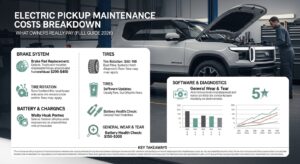
Reduced maintenance expenses
-
Fewer mechanical failures
There’s no engine oil, fewer moving parts, and less wear on braking systems due to regenerative braking.
Key Cost Benefits for Fleet Owners
-
Reduced fuel expenses
-
Lower long-term maintenance costs
-
Predictable energy pricing
-
Higher vehicle uptime
Over time, these savings can significantly reduce total cost of ownership.
Battery Technology Has Improved Faster Than Expected
Longer Range, Better Performance
Early electric trucks faced skepticism due to limited driving range. That concern is fading fast.
Modern EV trucks now offer:
-
Improved battery density
-
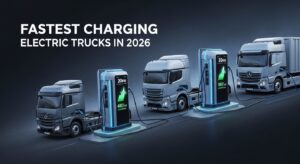
Faster charging times
-
Consistent performance under heavy loads
This makes them suitable for:
-
Urban deliveries
-
Regional logistics
-
Industrial operations
Charging Infrastructure Is Expanding
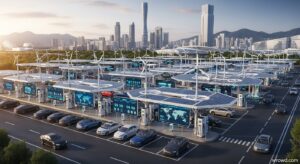
Public and private charging infrastructure has grown rapidly, especially along freight corridors and industrial zones. Many fleet operators now install on-site charging, reducing downtime and improving efficiency.

Government Incentives and Policy Support
Financial Incentives Are Fueling Demand
Governments worldwide are encouraging the adoption of electric commercial vehicles through:
-
Purchase incentives
-
Tax credits
-
Reduced registration fees
-
Access to low-emission zones
These policies significantly lower the upfront cost of EV trucks, making them more accessible to businesses of all sizes.
Emission Regulations Are Getting Stricter
Stricter emission standards are another major factor. Many cities are limiting or taxing diesel-powered trucks, while offering benefits to electric alternatives.
This regulatory shift makes EV trucks not just attractive—but necessary for future compliance.
Sustainability and Corporate Responsibility
Businesses Want Cleaner Supply Chains
Sustainability is no longer just a marketing buzzword. Customers, investors, and partners increasingly expect companies to operate responsibly.
Electric trucks help businesses:
-
Reduce carbon emissions
-
Improve brand reputation
-
Meet environmental goals
For logistics and delivery companies, switching to electric trucks sends a clear message of commitment to cleaner operations.
Growth of E-Commerce and Urban Delivery
Urban Logistics Needs Cleaner Vehicles
The explosion of e-commerce has increased the number of delivery trucks in cities. This has raised concerns about:
-
Air pollution
-
Noise pollution
-
Traffic congestion
Electric trucks are quieter, cleaner, and better suited for urban environments.
Ideal for Last-Mile Delivery
EV trucks excel in last-mile delivery due to:
-
Frequent stop-and-go driving
-
Short, predictable routes
-
Access to restricted urban zones
This makes them a natural fit for modern logistics networks.
Technological Innovation and Smart Fleet Management
Advanced Software Integration
Today’s electric trucks are not just vehicles—they’re smart systems. Many include:
-
Real-time energy monitoring
-
Predictive maintenance alerts
-
Route optimization tools
These features improve efficiency and reduce unexpected downtime.
Data-Driven Decision Making
Fleet managers now have access to detailed performance data, allowing them to:
-
Optimize routes
-
Monitor driver behavior
-
Improve energy efficiency
This data advantage makes EV trucks more appealing than traditional options.
Total Cost of Ownership Is Dropping Fast
Upfront Costs vs Long-Term Value
While electric trucks can still have a higher purchase price, the total cost of ownership is often lower over the vehicle’s lifetime.
Factors contributing to this include:
-
Fuel savings
-
Lower maintenance
-
Government incentives
-
Longer vehicle lifespan
As production scales and technology matures, upfront costs continue to decline.
Why EV Truck Sales Will Keep Growing
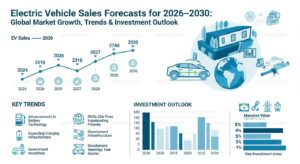
The surge in EV truck sales is not a short-term trend. It’s driven by real-world advantages that make sense economically, environmentally, and operationally.
As battery technology improves and infrastructure expands, electric trucks will become the default choice for many industries worldwide.
The Future of Trucks Is Electric
The real reasons EV truck sales are surging worldwide come down to practical benefits, not hype. Lower operating costs, supportive policies, improved technology, and sustainability goals are pushing the industry forward faster than many expected.
If you’re a business owner, fleet manager, or simply interested in the future of transportation, now is the time to pay attention.
Frequently Asked Questions (FAQ)
1. Why are EV truck sales increasing so fast?
EV truck sales are rising due to lower operating costs, improved battery technology, government incentives, and stricter emission regulations.
2. Are electric trucks cheaper to operate than diesel trucks?
Yes. Electric trucks typically cost less to fuel and maintain, leading to lower total cost of ownership over time.
3. Are EV trucks suitable for long-distance transport?
Many modern EV trucks are suitable for regional and medium-distance routes, especially with expanding charging infrastructure.
4. Do electric trucks require special maintenance?
Electric trucks generally require less maintenance because they have fewer moving parts and no traditional engine components.
5. Will EV trucks replace traditional trucks completely?
Over time, electric trucks are expected to replace many traditional trucks, especially in urban and regional operations.